The Psychology Behind the Power of Silence After a Breakup
Jan 22, 2026
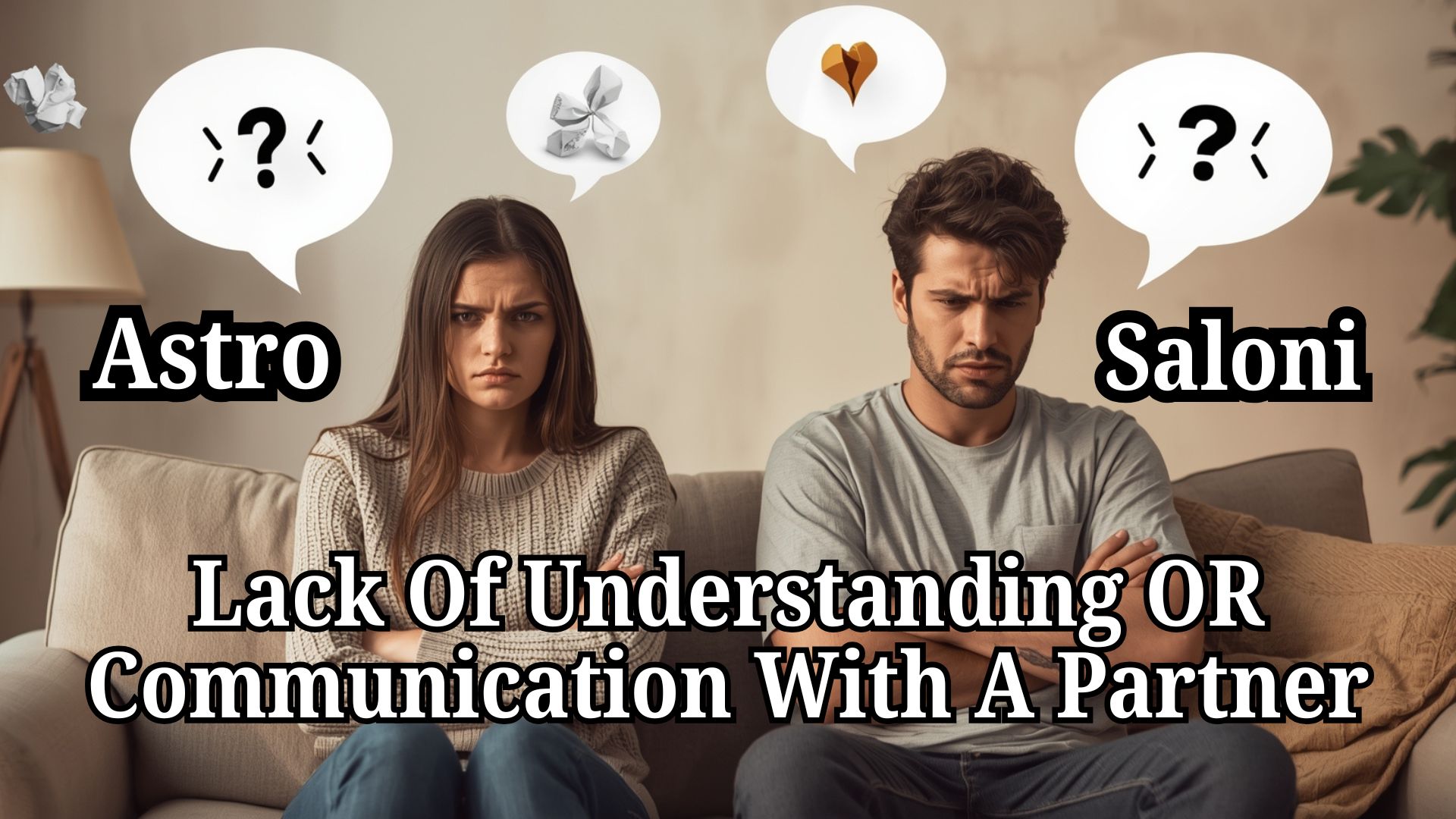
It often starts subtly. A misunderstood comment, an unanswered question, or a conversation that feels like you’re speaking different languages. Before you know it, a small gap in understanding can widen into a significant chasm in your relationship. This lack of communication with a partner is a common challenge, but it’s not an insurmountable one. Feeling unheard or misunderstood can be lonely, but you have the power to change the dynamic.
This post will guide you through the common causes and signs of poor relationship communication. More importantly, it will provide practical, actionable steps to help you and your partner bridge that gap. You’ll learn how to foster deeper understanding, rebuild connection, and start talking to each other instead of at each other.
Understanding the root cause is the first step toward a solution. Poor communication rarely happens overnight. It's often a slow fade caused by a combination of personal habits, external pressures, and relational patterns. Recognizing these factors in your own relationship can provide a clear starting point for improvement.
Common Causes of Poor Communication
Sometimes the signs are loud and clear, like constant arguments. Other times, they are quieter and more insidious. Pay attention to these red flags in your relationship.
Are You Arguing or Just Not Talking?
Arguments aren't always a sign of a bad relationship; they can be healthy if handled constructively. The real trouble starts when arguments become destructive or disappear entirely.
A lack of communication with a partner does more than just cause a few arguments. Over time, it erodes the very foundation of your relationship. Intimacy, both emotional and physical, begins to fade. Trust is compromised when you feel you can't rely on your partner to listen or be honest with you.
This emotional distance can lead to profound feelings of isolation, even when you're living under the same roof. The partnership can start to feel more like a business arrangement between two roommates than a loving, supportive connection. Eventually, this breakdown can lead to separation or a relationship that continues without joy or genuine partnership.
The good news is that communication is a skill, and like any skill, it can be learned and improved with practice. Rebuilding connection requires intention and effort from both partners. Here is some relationship advice to get you started.
1. Practice Active Listening
Active listening is about hearing to understand, not just to respond. It means giving your partner your full attention.
2. Use "I" Statements
Framing your feelings from your perspective is a cornerstone of healthy communication. Instead of saying, "You never help around the house," which sounds like an accusation, try, "I feel stressed and unsupported when the chores pile up." "I" statements express your needs without placing blame, making it easier for your partner to hear you without getting defensive.
3. Schedule Time to Talk
Meaningful conversations rarely happen on the fly. Set aside dedicated time, free from distractions, to check in with each other. This doesn't have to be a formal meeting. It could be a 15-minute chat over coffee in the morning or a walk after dinner. The key is to make it a consistent ritual for understanding your partner and sharing your own world.
4. Be Curious, Not Furious
Approach conversations with curiosity instead of anger. When your partner does something that upsets you, try to understand their perspective before you react. Ask open-ended questions like, "Can you help me understand why you felt that was the right thing to do?" or "What was going on for you at that moment?" This shifts the dynamic from confrontation to collaboration.
5. Know When to Take a Break
If a conversation becomes too heated, it's okay to press pause. Agree to take a 20-30 minute break to cool down. During this time, do something calming that is unrelated to the argument. The crucial part is to agree on a specific time to come back and finish the conversation. This prevents the "break" from turning into avoidance.
Overcoming a lack of communication with a partner is a journey, not a destination. It requires patience, empathy, and a commitment from both people to do the work. By focusing on active listening, speaking from your own experience, and making time for each other, you can start to rebuild the bridges of understanding.
Your relationship is worth the effort. Start with one small step today. Choose one piece of relationship advice from this list and put it into practice. You might be surprised at how a small change can lead to a big shift in connection and intimacy.
Also Read: Expert Love Marriage Problem Solutions That Bring Couples Together