Top 10 Most Common Reasons for Divorce in the United States
Sep 30, 2026
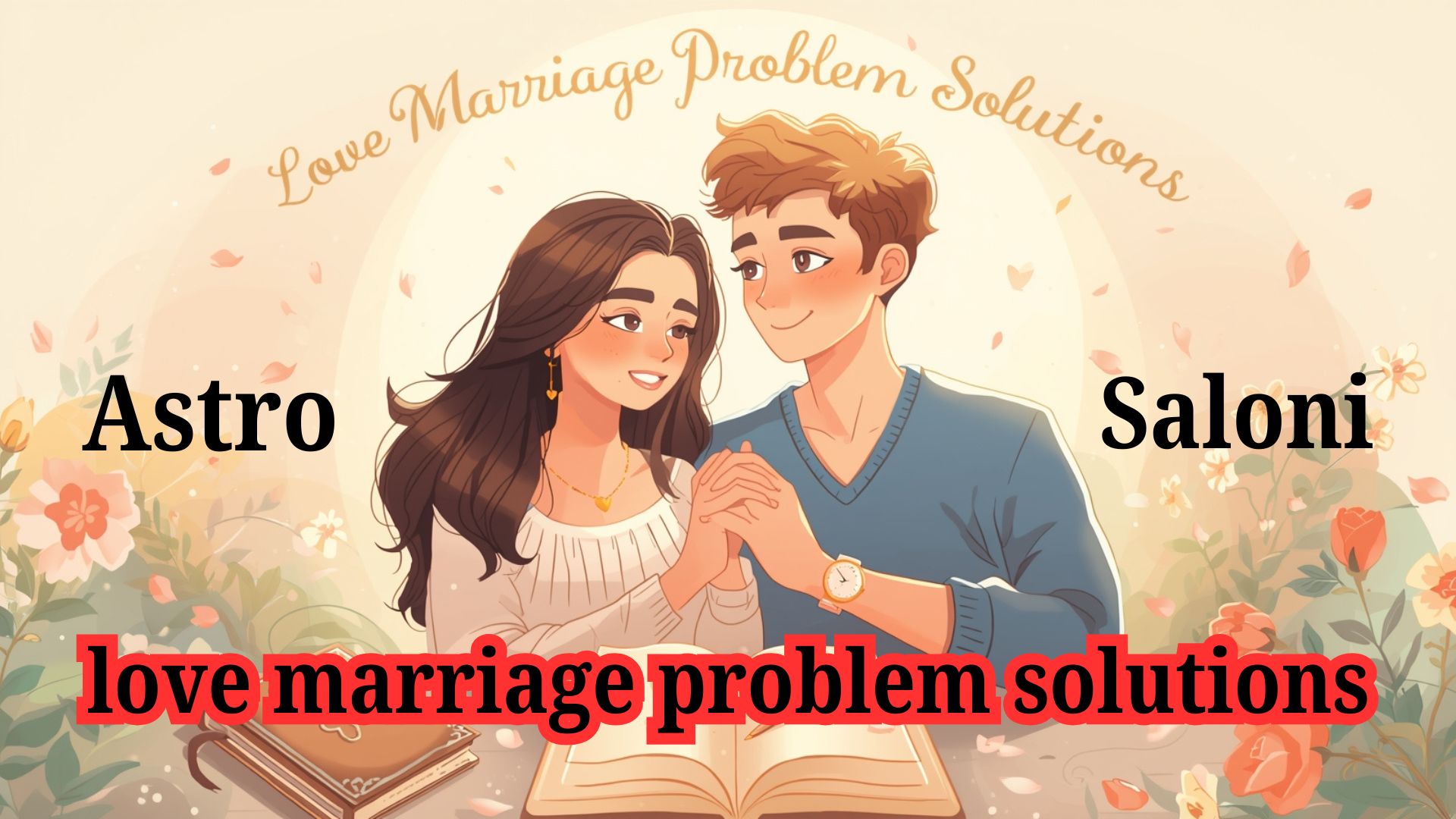
Deciding to spend your life with someone is one of the biggest commitments you can make. When it's a love marriage, that commitment is built on a foundation of mutual affection, understanding, and shared dreams. But even the strongest relationships face challenges. Over time, the initial spark can be tested by the realities of daily life, leading to friction and misunderstandings.
This article offers guidance on navigating the common hurdles in a love marriage. You'll learn to identify potential issues before they escalate and discover practical strategies to strengthen your bond. By addressing problems with empathy and a willingness to work together, you can ensure your partnership not only survives but thrives for years to come.
A love marriage is a union where two individuals choose each other as partners based on mutual love, affection, and compatibility. Unlike an arranged marriage, where families play a central role in selecting a spouse, a love marriage is driven by the personal choice of the couple.
This autonomy is empowering, but it also means the responsibility for the relationship's success rests squarely on the couple's shoulders. They must navigate everything from finances to family dynamics on their own terms.
Every marriage has its unique challenges, but many couples in love marriages face similar issues. Here are some of the most common problems and practical solutions to address them.
1. The End of the Honeymoon Phase
The Problem: The initial excitement and intense passion of a new relationship can't last forever. As you settle into a routine, you might feel like the romance is fading. What was once spontaneous and thrilling can become predictable. This transition is normal, but it can leave one or both partners feeling disconnected or unfulfilled.
The Solution:
2. Disagreements About Finances
The Problem: Money is one of the most common sources of conflict in any marriage. Differing spending habits, financial goals, and attitudes towards saving can lead to serious arguments. One partner might be a saver, while the other is a spender, creating constant tension around budgeting and financial decisions.
The Solution:
3. Interference from Family
The Problem: Even in a love marriage, family opinions can create friction. In-laws may have expectations about your lifestyle, career choices, or how you raise your children. This can put you and your partner in a difficult position, caught between respecting your families and making your own choices.
The Solution:
4. Lack of Effective Communication
The Problem: Poor communication can erode the foundation of any relationship. Avoiding difficult conversations, making assumptions, or failing to listen to your partner's perspective can lead to misunderstandings and resentment. Over time, this communication breakdown can create significant emotional distance.
The Solution:
5. Differing Expectations
The Problem: You and your partner may have entered the marriage with different unspoken expectations about roles, responsibilities, and life together. One person might expect a traditional division of labour, while the other anticipates a more modern, equal partnership. When these expectations clash, it can lead to disappointment and conflict.
The Solution:
Sometimes, despite your best efforts, you may find it difficult to resolve your problems on your own. If you feel stuck in a cycle of conflict or disconnection, seeking professional help from a marriage counsellor can be a positive step. A neutral third party can provide valuable insights and tools to help you and your partner communicate more effectively and find new ways to approach your challenges.
Love is the starting point of a marriage, not the final destination. Building a lasting, happy partnership requires continuous effort, communication, and a shared commitment to growth. By facing challenges as a team and actively working to nurture your connection, you can navigate the complexities of married life and build a future that is even richer and more rewarding than you imagined.
Also Read: Parental Disapproval of a Relationship