The Psychology Behind the Power of Silence After a Breakup
Jan 22, 2026
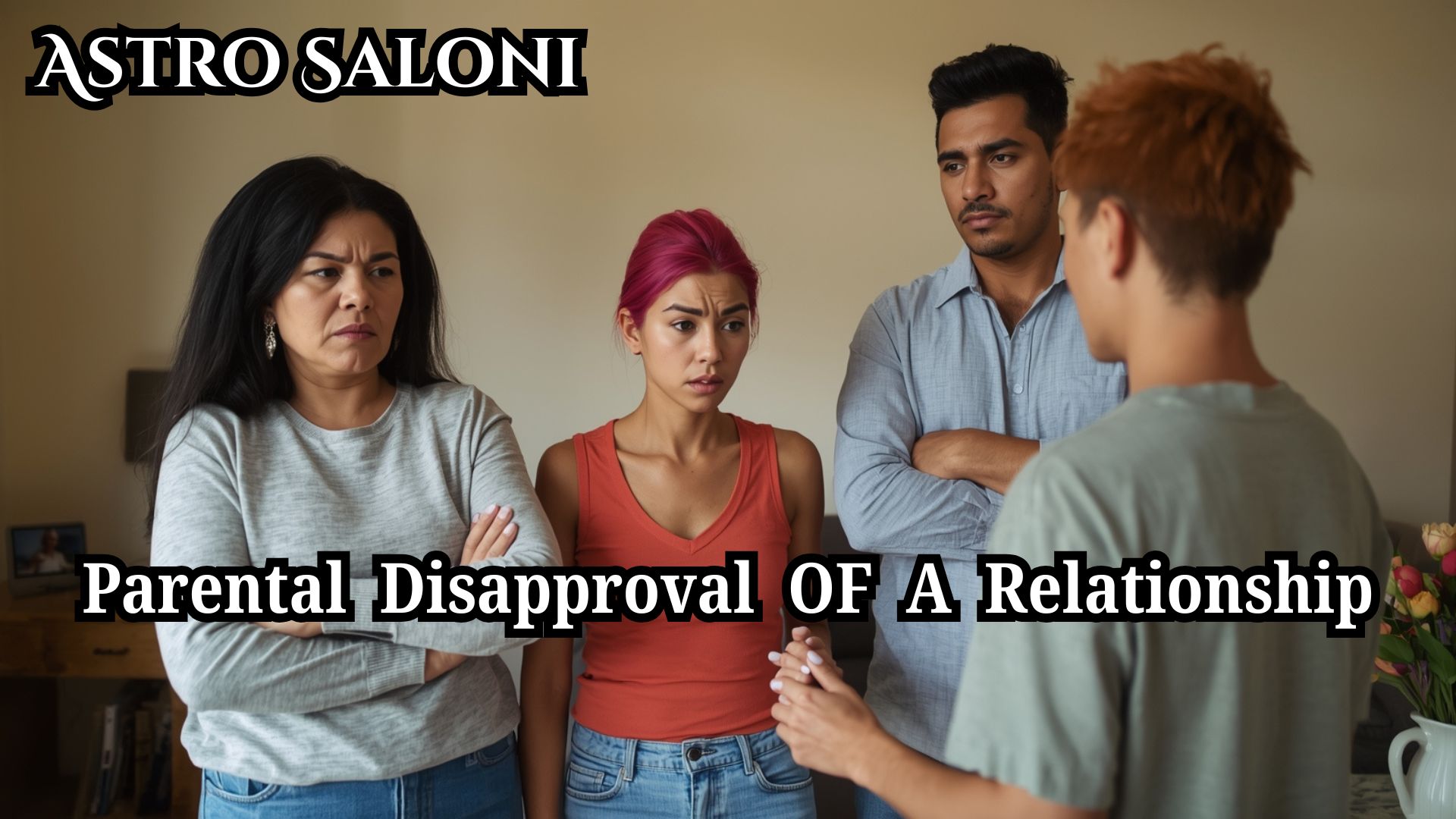
Navigating a romantic relationship can have its challenges, but when your own parents disapprove of your partner, it adds a deeply personal and often painful layer of complexity. It can feel like you’re being forced to choose between the family who raised you and the person you love. This situation can create a significant emotional rift, leaving you feeling isolated, misunderstood, and torn.
This guide is here to offer support and practical advice. We’ll explore the common reasons behind parental disapproval, understand its emotional impact, and provide strategies for managing this difficult family dynamic. You are not alone in this experience, and there are constructive ways to move forward, whether that means mending bridges or making tough decisions about your future.
Parental disapproval rarely comes from a place of malice. More often than not, it stems from a deep-seated fear for their child's well-being and happiness. Understanding the root cause of their objections is the first step towards finding a resolution. Their reasons can be complex and are often a mix of genuine concern and personal bias.
Common Reasons for Parental Disapproval
Let's break down some of the frequent reasons parents might object to a partner.
Differences in Background
This is one of the most classic sources of conflict. Parents may have concerns about significant differences in:
Concerns About Your Partner's Character
Parents are often protective, and they may perceive red flags that you don't see, or that you see differently.
The Impact on You
Sometimes, the disapproval isn't about your partner at all, but about the effect the relationship is having on you.
Their Own Unresolved Issues
Occasionally, parental disapproval is a reflection of their own experiences and biases.
Living under the shadow of parental disapproval can take a significant toll on both you and your partner. It’s a chronic stressor that can permeate every aspect of your life and relationship.
For You: A Conflict of Loyalties
The primary feeling is often one of being torn. You love your parents and likely value their opinion, but you also love your partner and believe in your relationship. This can lead to:
For Your Partner: Feeling Unwelcome and Judged
Your partner is in an equally difficult position. They are trying to build a life with you but are being met with rejection from the people who matter most to you. This can cause:
For the Relationship: The Ultimate Test
Parental disapproval can either be the force that breaks you apart or the challenge that makes you stronger. It creates a constant strain that can manifest as:
While it may feel hopeless, there are proactive steps you can take to manage and potentially resolve the conflict. The goal is to open lines of communication and foster understanding, even if you don't achieve full agreement.
1. Present a United Front with Your Partner
Before you approach your parents, you and your partner need to be on the same page.
2. Initiate a Calm and Private Conversation
Choose a neutral time and place to talk to your parents. Avoid bringing it up during a heated moment or a big family event.
3. Address Their Concerns with Empathy and Logic
Once you understand their fears, you can address them.
4. Manage Family Interactions Carefully
You need to protect your partner and your relationship during family gatherings.
Sometimes, despite your best efforts, the situation doesn't improve. If the conflict is causing severe distress, it might be time to seek outside help.
It's also important to recognise when to take a step back. If your parents are completely unwilling to be respectful, you may need to set firm boundaries, which could mean limiting contact for a period of time to protect your mental health and your relationship.
The emotional and psychological impact of family opposition extends far beyond simple disagreements. Recent research using functional near-infrared spectroscopy has revealed that criticism from parents activates the dorsolateral prefrontal cortex more significantly than criticism from friends, indicating that parental disapproval triggers unique neural responses that can affect our emotional well-being and decision-making processes.
The Romeo and Juliet Effect suggests that parental opposition can actually strengthen romantic bonds between couples. This psychological phenomenon occurs when external pressure creates an “us against the world” mentality, intensifying feelings of love and commitment. Longitudinal studies have found that increased parental interference can correlate with heightened romantic feelings, as couples unite against perceived threats to their relationship.
However, competing research supports The Social Network Effect, which posits that approval from family and friends leads to more positive relationship outcomes. This theory suggests that disapproving parents can create significant stress that undermines relationship stability and satisfaction over time. The constant tension between family loyalty and romantic commitment can exhaust couples emotionally and create lasting relationship damage.
The phrase “parents hate my boyfriend” reflects a particularly intense form of disapproval that can have serious psychological consequences. When parents hate my boyfriend, the resulting family conflict often leads to increased anxiety, depression, and feelings of isolation. Young adults may experience what psychologists term “loyalty conflicts,” where they feel forced to choose between their family and their romantic partner.
Long-term Mental Health Effects of sustained family disapproval can be significant. Studies indicate that children exposed to ongoing family conflict and criticism experience greater psychological distress throughout their lives. The severity and duration of parental disapproval significantly predict adult emotional well-being, affecting self-esteem, relationship skills, and overall mental health.
Women, in particular, may experience additional pressure when dealing with parental disapproval, as cultural expectations often place greater emphasis on family harmony and maintaining relationships. This can create internal conflict between asserting independence and preserving family connections.
Britain’s multicultural landscape means that parental disapproval relationship challenges often involve complex cultural considerations. Different cultural backgrounds bring varying expectations about relationships, marriage, and family involvement in romantic decisions.
Traditional British Families may emphasise values such as stability, social standing, and compatibility of backgrounds. Parents from these families might disapprove of partners they perceive as unsuitable based on education, career prospects, or social class. The lingering influence of class consciousness in British society can make these disapprovals particularly challenging to navigate.
Immigrant Families often face additional complexities when balancing traditional cultural values with British social norms. Parents may worry about cultural preservation, language maintenance, and religious observance. They might fear that their children’s romantic choices will lead to assimilation that erases important cultural traditions.
Cross-Cultural Relationships present unique challenges when parents from different backgrounds have conflicting expectations. A British-Pakistani couple, for example, might face disapproval from both sets of parents for different reasons—one family concerned about religious differences, the other about cultural integration.
Research comparing cultural responses to parental criticism reveals significant variations. American participants tend to perceive criticism as more destructive compared to Italian and Singaporean counterparts, whilst higher levels of parental care correlate with lower sensitivity to criticism across all cultures. These findings suggest that the cultural context significantly shapes how individuals respond to family disapproval.
Generational Differences also play a crucial role in modern Britain. Parents who immigrated decades ago may hold values that differ significantly from their British-born children’s perspectives on relationships, career priorities, and life goals. These generational gaps can make mutual understanding more challenging but not impossible.
Understanding the various types of parental relationships can help you better navigate disapproval and develop appropriate strategies for your specific situation. Not all parental disapproval manifests in the same way, and recognising these patterns can inform your approach.
Authoritarian Parents tend to be controlling and demanding, expecting compliance without question. When these parents disapprove of your relationship, they may issue ultimatums, threaten to cut off support, or attempt to manipulate the situation through guilt or financial pressure. Dealing with authoritarian disapproving parents requires firm boundaries and consistent communication about your autonomy as an adult.
Permissive Parents might express disapproval more subtly through passive-aggressive comments, withdrawal of emotional support, or indirect criticism. These parents may avoid direct confrontation whilst making their displeasure known through their behaviour and attitude towards your partner.
Anxious Parents often disapprove out of genuine concern for your wellbeing, though their fears may be disproportionate or unfounded. They might worry excessively about your partner’s ability to provide for you, their past relationships, or potential future problems. These parents can sometimes be reasoned with through patient explanation and gradual exposure to your partner’s positive qualities.
Narcissistic Parents may disapprove of any partner who threatens their control over you or doesn’t provide them with the status or benefits they desire. These situations are particularly challenging because the disapproval often stems from the parent’s own psychological needs rather than genuine concerns about your relationship.
Protective Parents disapprove because they want to shield you from potential hurt or disappointment. Whilst their intentions may be good, their overprotectiveness can prevent you from making your own decisions and learning from your experiences.
The intense emotional charge behind the phrase “parents hate my boyfriend” reflects some of the most challenging family dynamics couples can face. When parents hate my boyfriend, the situation often involves deeply entrenched negative feelings that go beyond simple disapproval into active hostility.
Common Scenarios that lead to this level of animosity include past relationship trauma where parents witnessed their child being hurt and now view all partners with suspicion. Sometimes parents hate my boyfriend because of first impressions that went badly—perhaps your partner was nervous and came across poorly, or cultural misunderstandings created negative initial interactions.
Financial Concerns can also escalate disapproval into hatred, particularly if parents perceive your partner as financially irresponsible or unable to provide stability. In some cases, parents may hate your boyfriend because they believe he’s taking advantage of you or preventing you from achieving your potential.
Addressing the Hatred requires a multi-faceted approach that acknowledges the intensity of emotions involved. When parents hate my boyfriend, direct confrontation rarely works and often escalates tensions. Instead, focus on gradual relationship building through low-pressure interactions and consistent demonstration of your partner’s positive qualities.
Creating opportunities for your parents to see your boyfriend in different contexts can help break down negative preconceptions. Perhaps they could meet him at a family gathering where he can interact with other relatives, or during an activity where his skills or personality can shine through naturally.
Setting Boundaries becomes crucial when dealing with hatred rather than simple disapproval. You may need to limit discussions about your relationship, establish consequences for disrespectful behaviour, and make it clear that whilst you value their opinion, you won’t tolerate abuse of your partner.
Learning how to deal with parental disapproval requires a combination of emotional intelligence, communication skills, and strategic thinking. The most effective approaches acknowledge both your parents’ concerns and your own autonomy whilst working towards a resolution that preserves important relationships.
Communication Strategies form the foundation of any successful approach to managing parental disapproval in relationships. Using ‘I’ statements helps express your feelings without triggering defensive responses from your parents. Instead of saying “You’re being unfair to my partner,” try “I feel hurt when my relationship isn’t supported because this person means a great deal to me.”
Initiating Open Conversations about specific concerns can help address underlying issues. Ask your parents to explain their reservations clearly and listen without becoming defensive. Sometimes parental disapproval stems from misunderstandings or incomplete information that can be addressed through honest dialogue.
Setting Clear Boundaries whilst maintaining respect is essential for long-term relationship health. You might say, “I understand you have concerns, but I need you to treat my partner with basic courtesy when they’re in our home.” This approach acknowledges their feelings whilst establishing non-negotiable standards for behaviour.
Helping Parents Get to Know Your Partner through informal meetups can gradually change negative perceptions. Suggest low-pressure activities where your partner’s positive qualities can emerge naturally—perhaps a shared hobby, volunteer work, or family celebration where they can contribute meaningfully.
Professional Support can be invaluable when dealing with persistent family conflict. Family therapy provides a neutral space for addressing deep-seated issues, whilst premarital counselling can help couples develop strategies for managing ongoing family challenges. Individual therapy can also help you process the emotional impact of family disapproval and develop healthy coping mechanisms.
Maintaining Your Support Network beyond your family becomes crucial when facing parental disapproval. Friends, mentors, and other family members who support your relationship can provide emotional validation and practical advice during difficult periods.
Practicing Self-Compassion helps you navigate the guilt and stress that often accompany family conflict. Remember that choosing your own partner is a normal part of adult development, and whilst family approval is desirable, it’s not always possible or necessary for a successful relationship.
The experiences of couples who have successfully navigated parental disapproval provide valuable insights and hope for those currently facing similar challenges. These real-life stories demonstrate that whilst the journey can be difficult, positive outcomes are possible with patience, persistence, and the right approach.
One woman shared her experience: “My parents had reservations about my husband because he had been married before and had three kids. They worried about the complications and whether he was truly committed to our relationship. I made the right choice, and we’ve been happily married for almost 20 years now.” Her story illustrates how time and consistent demonstration of commitment can eventually win over even the most sceptical parents.
However, not all stories have immediate happy endings. Another individual described a more challenging situation: “My girlfriend’s parents hate me, they will not let me talk to her in any way. We were together for almost a year without them knowing.” This experience highlights the potential complications of keeping relationships secret and the importance of addressing family disapproval directly rather than avoiding it.
Success Factors that emerge from positive outcomes include patience, consistency, and willingness to address legitimate concerns. Couples who successfully overcome parental disapproval often invest significant time in building relationships with family members, demonstrating their commitment through actions rather than words, and maintaining respect even when facing hostility.
Learning from Challenges shows that some relationships don’t survive family pressure, but this doesn’t necessarily mean the disapproval was justified. Sometimes the stress of ongoing conflict becomes too overwhelming, or partners aren’t willing to invest the emotional energy required to change family dynamics.
Cultural Success Stories often involve gradual education and exposure. Families who initially disapprove of cross-cultural relationships frequently change their perspectives after getting to know their child’s partner personally and seeing the happiness the relationship brings.
Facing parental disapproval of your relationship is one of the most challenging personal dilemmas you can face. It's a journey that requires patience, strength, and an unwavering belief in your own judgment.
Remember that you are an adult, capable of making your own life choices. While it's natural to want your parents' blessing, your happiness and the health of your romantic partnership are paramount. Over time, many parents do come around. When they see that you are happy, secure, and in a loving, supportive relationship, their fears often subside. They see their child thriving, and that is what most parents want above all else.
Focus on building a strong, loving life with your partner. Let the strength of your relationship be the ultimate answer to their doubts. Whether you eventually gain their approval or learn to live peacefully without it, choosing your own path is a powerful and necessary part of building your own life.
Also Read: Kamdev Mantra for Love Attraction