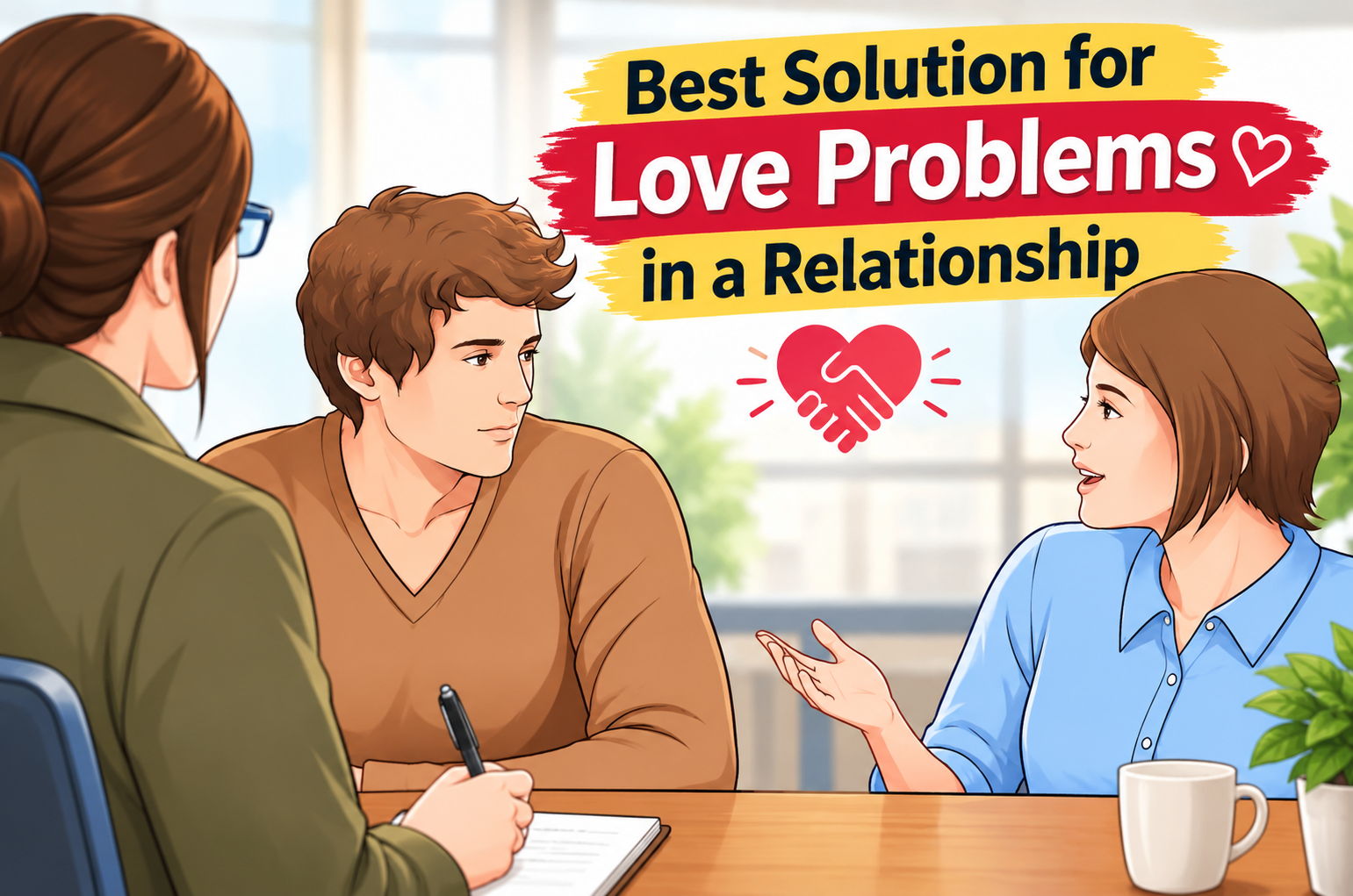
Best Solution for Love Problems in a Relationship
Oct 04, 2026

Connecting with someone can be one of life’s most rewarding experiences. But building a partnership that is happy, fulfilling, and sustainable takes more than just initial attraction. Relationships require continuous effort, communication, and a shared commitment to grow together. While every relationship is unique, certain foundational principles can help you navigate challenges and strengthen your bond.
This guide offers actionable tips to help you build and maintain a healthy relationship. We'll cover everything from communication and conflict resolution to the importance of individuality and shared goals.
A healthy relationship is a partnership where both individuals feel supported, respected, and happy most of the time. It's a connection built on mutual trust and open communication, where both people can be their authentic selves.
Key characteristics of a healthy relationship include:
Now, let's explore practical tips for nurturing these qualities in your relationship.
Effective communication is the cornerstone of any strong partnership. When you stop communicating well, you stop relating well. It’s not just about talking; it's about connecting.
Be an Active Listener
Often, we listen with the intent to reply rather than to understand. Practice active listening by giving your partner your full attention. Put away distractions, don’t interrupt, and focus on what they are truly saying, both with their words and their body language. Ask expansive questions like, "How did that make you feel?" or "What happened next?" to show you are engaged and interested.
Express Your Needs Clearly
Your partner is not a mind-reader. If you need support, want to share something, or are feeling upset, you have to say it. Instead of hoping they'll guess what's wrong, express your needs and feelings directly. Using "I" statements can help you communicate without placing blame. For example, say "I feel hurt when I don't hear from you" instead of "You never call me."
Pay Attention to Nonverbal Cues
A significant portion of communication is nonverbal. Pay attention to your partner's tone of voice, eye contact, and posture. These cues often reveal how they really feel. Similarly, be mindful of your own body language. If you say "I'm fine" while your arms are crossed and you're avoiding eye contact, you're sending a mixed message that can cause confusion and distance.
Disagreements are a natural part of any relationship. The key isn't to avoid conflict but to learn how to handle it constructively. A healthy argument is about resolving an issue, not winning a fight.
Fight Fair
When conflict arises, focus on the issue at hand, not your partner's character. Avoid name-calling, insults, or dredging up past arguments. Criticizing your partner's character ("You're so lazy") is far more damaging than criticizing a behavior ("It upset me that the trash wasn't taken out").
Know When to Take a Break
If a discussion becomes too heated, it's okay to take a break. Step away to cool down before you say something you might regret. A short walk or a few deep breaths can make the conversation more productive when you return. Remember, you're a team arguing against a problem, not against each other.
Practice Forgiveness
Resolving conflict is impossible without forgiveness. Holding onto grudges builds resentment and poisons the relationship. When an argument is over, let it be over. Accept your partner's apology and be willing to apologize when you are in the wrong. Admitting mistakes promptly shows maturity and strengthens trust.
While being a couple is wonderful, it's crucial for both partners to maintain their own sense of self. Expecting one person to meet all your needs puts unhealthy pressure on the relationship.
Keep Outside Interests Alive
Continue to nurture your own friendships, hobbies, and interests. Having a life outside the relationship enriches your life and gives you more to bring back and share with your partner. It’s healthy to have your own friends and to spend time apart. This space prevents the relationship from feeling smothering and helps you appreciate the time you do spend together.
Support Each Other's Growth
A strong partnership involves two individuals who support each other's personal goals and dreams. Be your partner's biggest cheerleader as they pursue their aspirations, and make sure you're also working on your own development. You are two individuals growing alongside each other, which strengthens your bond.
In our busy lives, it's easy for quality time to slip down the priority list. However, spending meaningful time together is essential for staying connected.
Be Present and Playful
Commit to spending regular time together where you can put aside distractions like phones and work. This doesn't have to be a grand gesture; it can be a daily walk, a morning coffee together, or a dedicated date night. Focus on having fun and being playful. Laughter and lightheartedness are powerful tools for bonding and reducing stress.
Try New Things Together
Doing new activities together can inject excitement into your relationship. It can be as simple as trying a new restaurant, taking a dance class, or planning a day trip to a place you've never been. Shared experiences create lasting memories and strengthen your connection.
Keep Physical Intimacy Alive
Physical intimacy, whether it's sex, hugging, holding hands, or cuddling, is a vital part of a romantic relationship. It boosts hormones that influence bonding and attachment. Be open about your desires and boundaries, and be considerate of your partner's needs. Affectionate touch reinforces your emotional connection and is a powerful way to say "I love you."
Respect is arguably the most important factor in a long-term relationship. When you deeply respect your partner, you trust their judgment, value their opinion, and believe in their intentions.
Never Talk Badly About Your Partner
If you have an issue with your partner, discuss it with them directly. Complaining about them to friends or family erodes respect and trust. It undermines your partnership and solves nothing.
Accept Each Other's Flaws
No one is perfect. A successful relationship involves dating someone whose flaws you can live with, and even appreciate. Trying to "fix" or change your partner is a form of disrespect. True intimacy grows when you can accept each other's imperfections and love them anyway.
Be Dependable
Trust is built on consistency. If you make a promise, keep it. If you take on a responsibility, follow through. Being reliable shows your partner they can count on you, which is fundamental for creating a sense of safety and security in the relationship.
Final Thoughts: Relationships Are a Process
Healthy relationships are not found; they are built. They require ongoing work, flexibility, and a willingness to adapt as you and your partner change over time. There will be ups and downs, but with a foundation of respect, open communication, and mutual support, you can navigate the challenges and build a partnership that is fulfilling and lasts a lifetime.
If you find that conflicts are recurring or problems feel too overwhelming to handle as a couple, consider seeking help from a couples counselor. Professional guidance can provide you with the tools to improve communication and work through issues together.
Remember to celebrate the small things, be generous with affection, and always treat each other with kindness. Your relationship is a journey, and every step you take to nurture it is an investment in your shared happiness.